Pachinko Gaming Archive
A structured overview of pachinko gaming venues across Japan, with a focus on Tokyo and Osaka. This archive examines venue layouts, machine positioning, and operational models that define pachinko environments developed within Japanese urban culture.
Optimized Venue Layouts
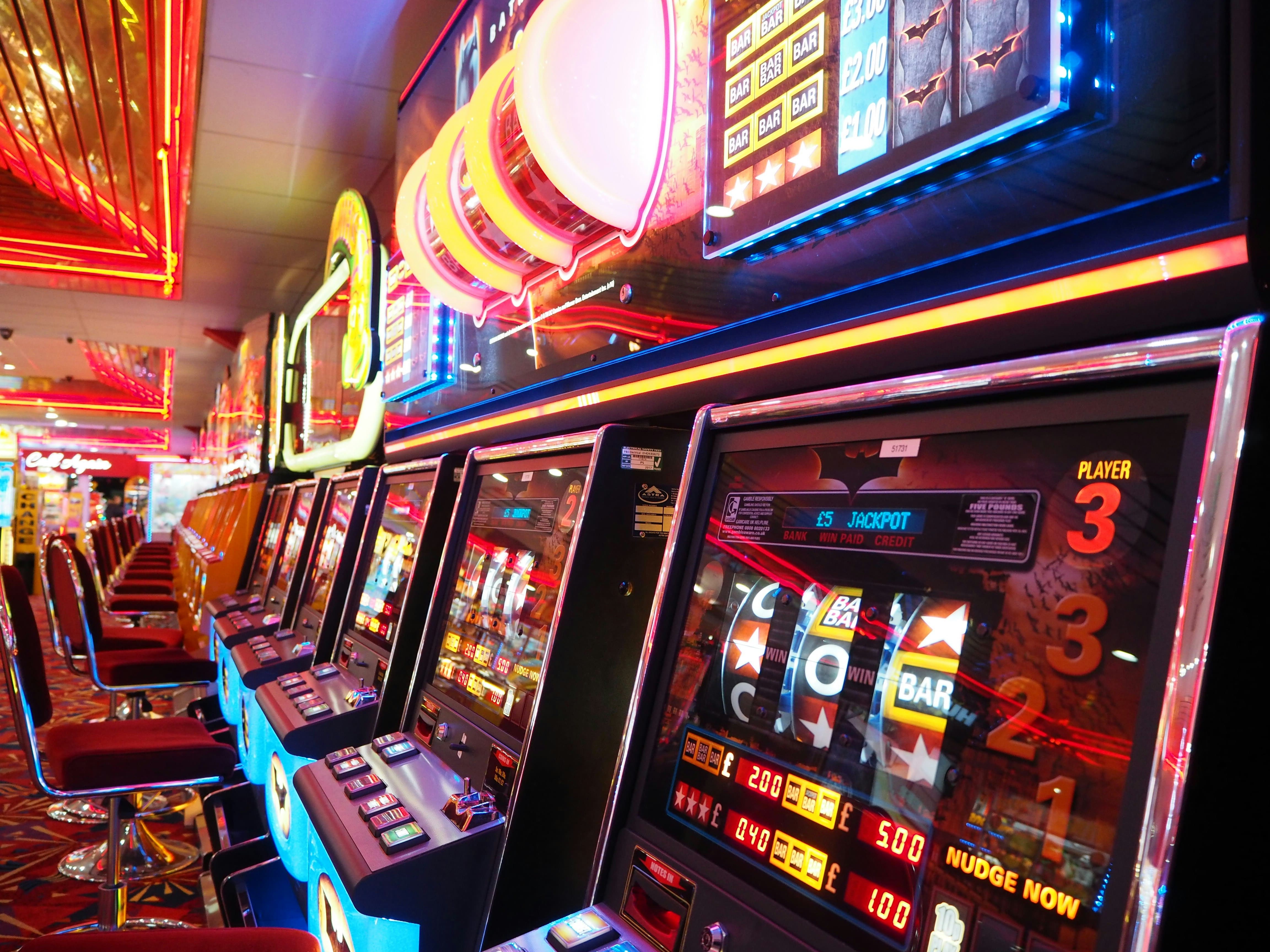
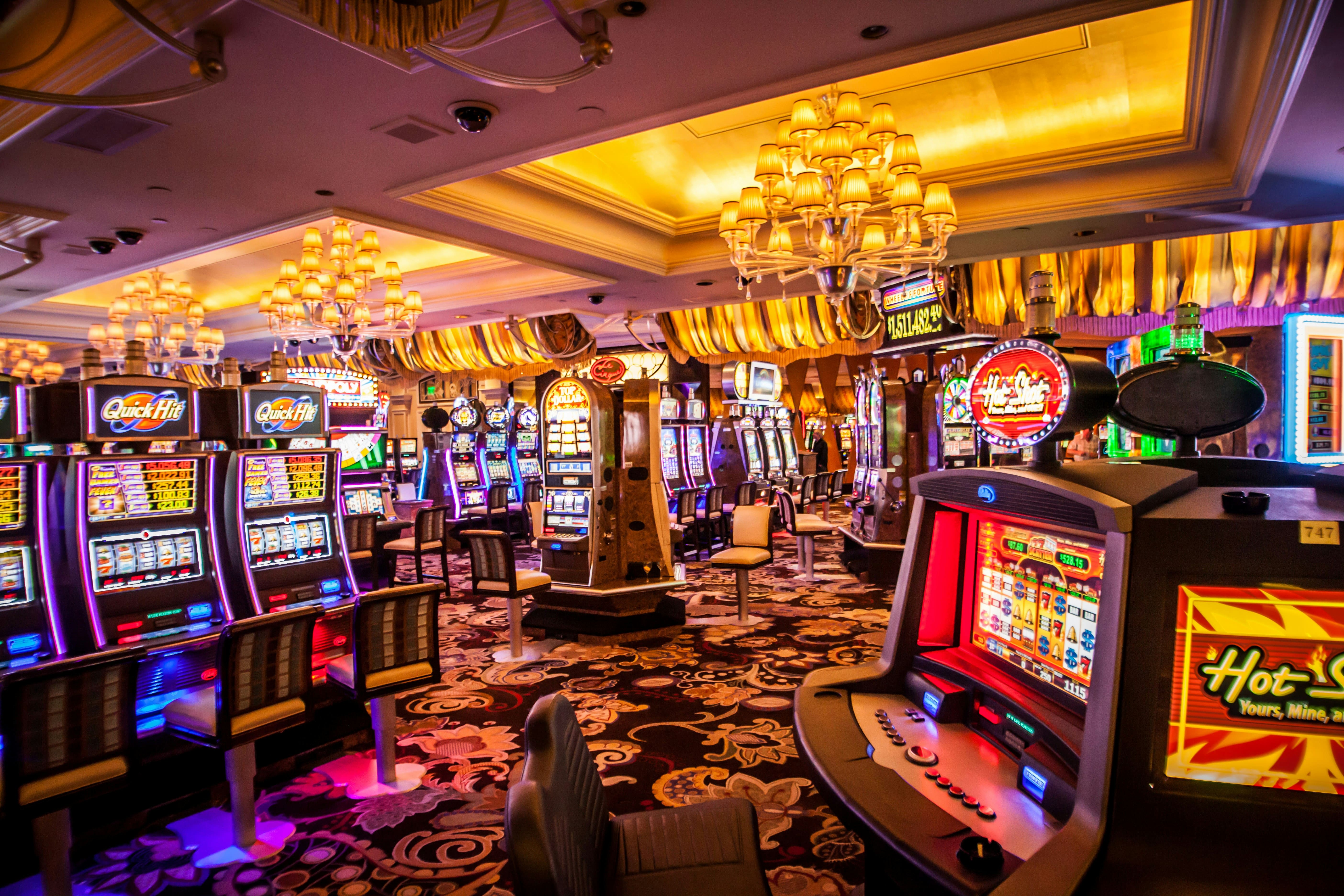
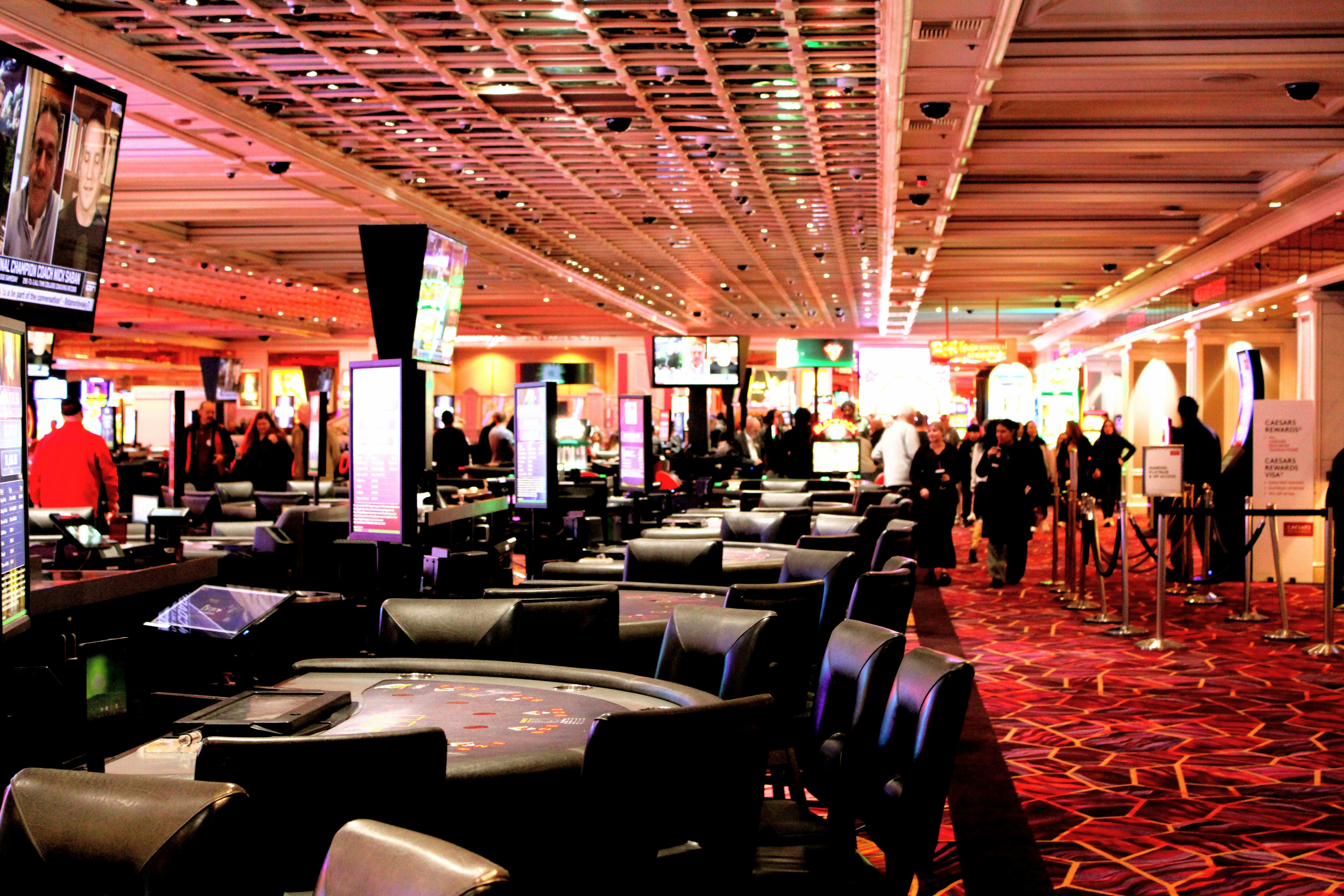
Urban pachinko venues in Tokyo and Osaka are designed to accommodate large numbers of machines within carefully planned operational spaces. These layouts balance equipment density, visitor movement, and overall facility efficiency.
Variation in Venue Scale
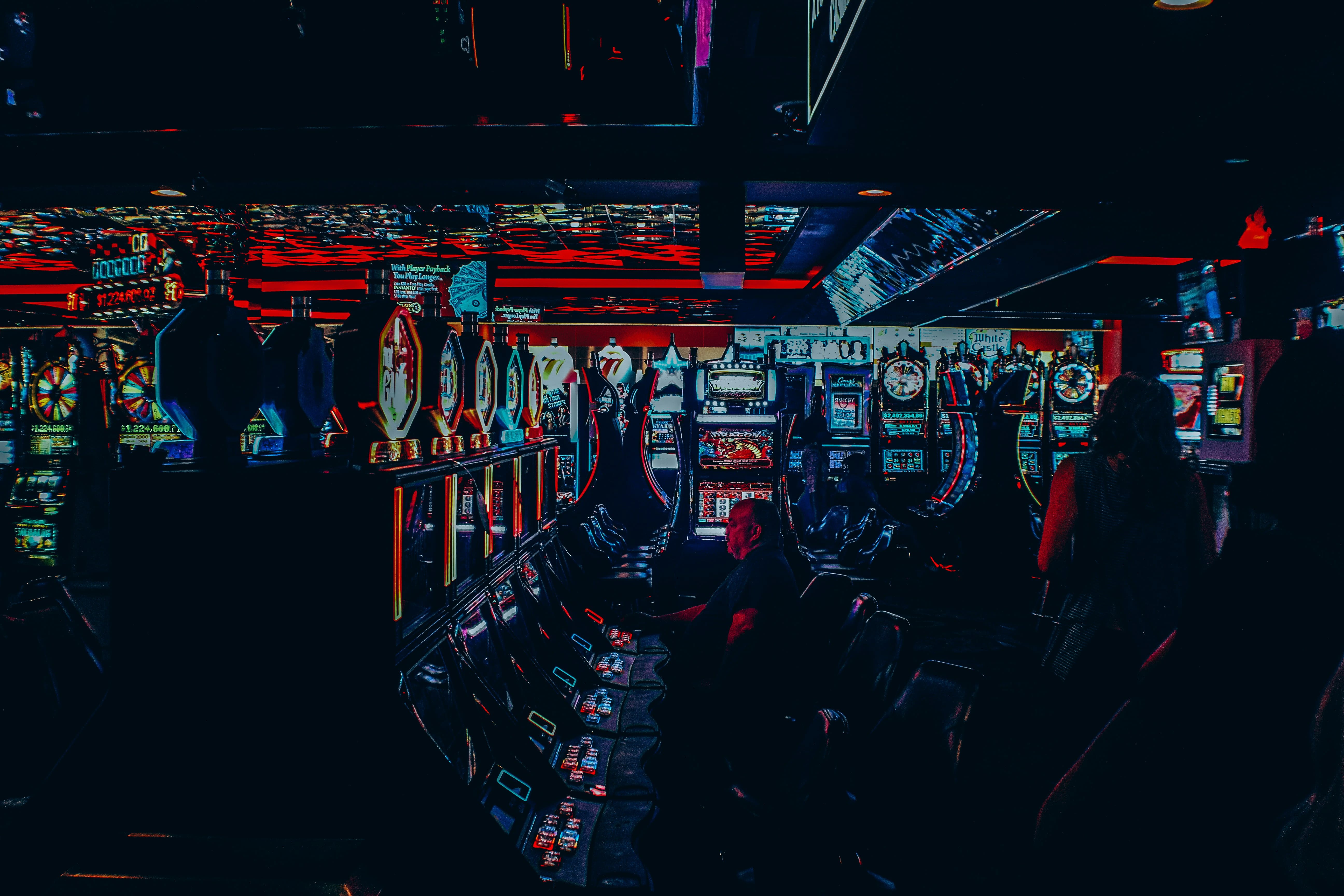
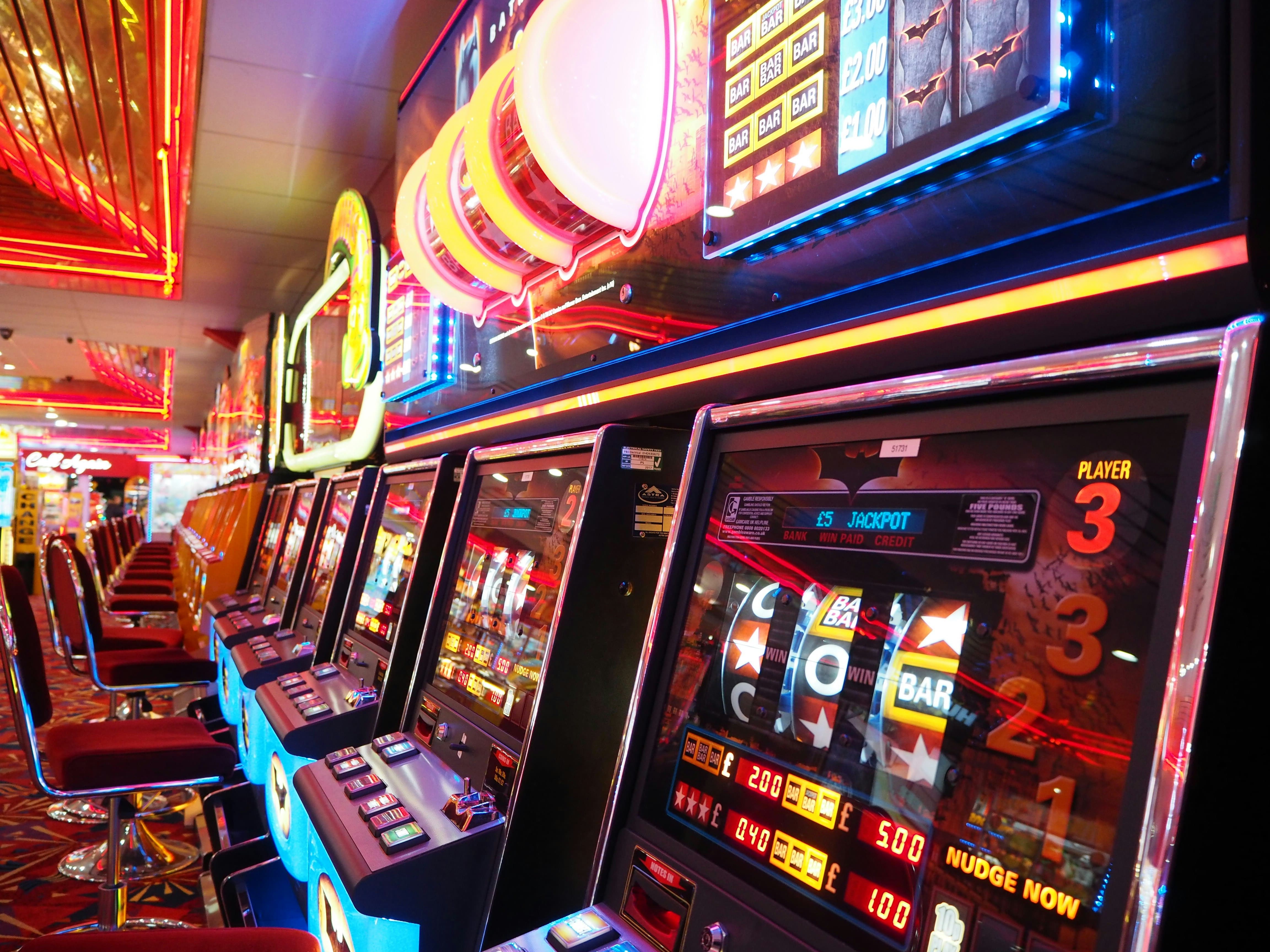
Pachinko facilities across Japan operate at different scales, from compact neighborhood halls to large multi-level venues. Machine capacity and spatial organization are adapted to suit local conditions and operational requirements.
Equipment Standards
Contemporary pachinko venues follow consistent technical standards, maintaining uniform mechanical specifications and operational procedures. These standards support reliable performance across different venue configurations.
Traditional Venue Formats
Long-established pachinko halls preserve conventional spatial designs that reflect the early development of the format in Japan. These layouts continue to influence how modern venues organize machines and visitor flow.
Integrated Gaming Systems
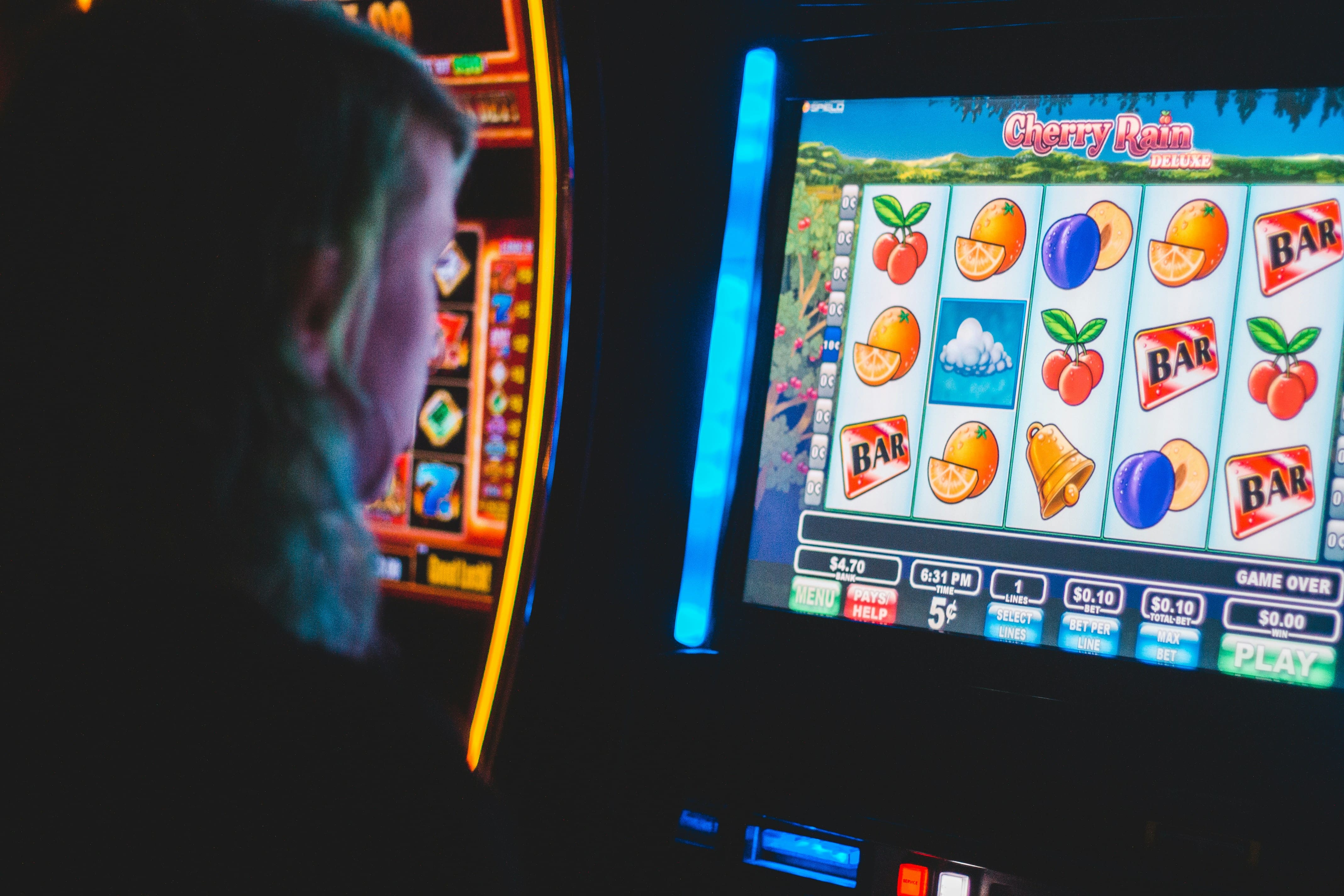
Pachinko venues function as coordinated mechanical systems that combine precision components with structured operational processes. Ball movement, digital displays, and sound design are integrated to form consistent and repeatable gaming environments characteristic of Japanese pachinko halls.
Facility Characteristics
Extended Operating Hours
Many pachinko venues in Tokyo and Osaka operate long hours to accommodate varied schedules and visitor patterns.
Mechanical Precision
Systems rely on calibrated mechanical components combined with electronic monitoring to ensure consistent operation.
Environmental Control
Facilities regulate temperature and sound levels to maintain stable conditions for both equipment and visitors.
Ongoing Maintenance
Regular inspection and servicing ensure that machines remain within defined operational standards.